

Crystal-Clear Sinkholes in Australia for Freediving
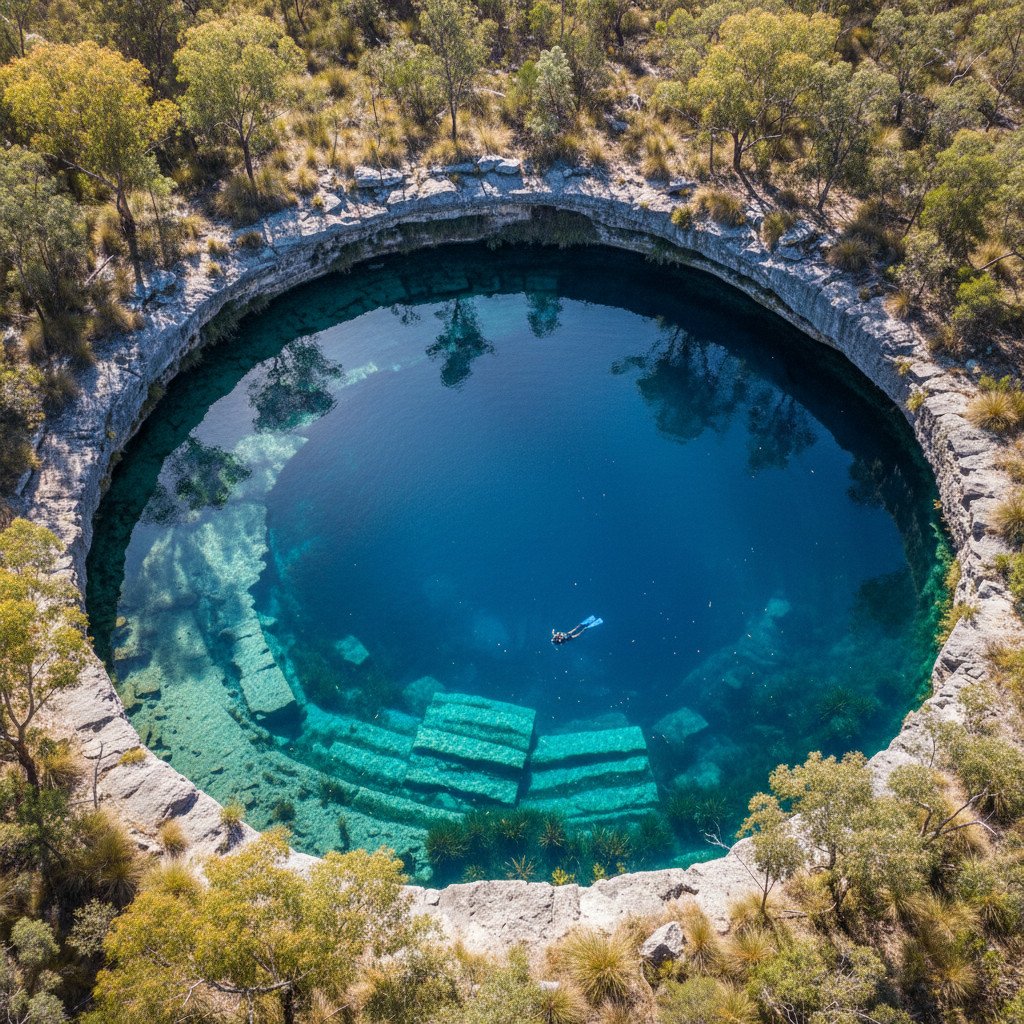
Crystal-clear sinkholes in Australia for freediving offer an otherworldly playground beneath bright skies. Imagine descending through glassy water into caverns of blue and emerald. The light here slices like a knife, and visibility stretches beyond belief. Because these sinkholes appear like hidden oases, they feel like secret gardens. Freedivers move with calm breath and slow grace in vast, silent chambers. However, each site has its own personality, shaped by geology and light.
Some sinkholes glow turquoise, while others deepen to indigo near the bottom. As a result, every dive becomes a small expedition and a vivid memory. You will see suspended plants, sunbeams, and geological layers like pages. Therefore planning matters: practice equalization and respect fragile underwater life. Because many sinkholes are remote, travel adds to the sense of adventure.
ScubaDiver captured these moments for For Scuba Divers, showing raw, intimate footage. If you crave quiet, clarity, and surreal underwater scenery, read on. This guide reveals the best crystal clear sinkholes and tips for freediving safely.
Crystal-clear sinkholes in Australia for freediving: Geological origins and features
Crystal-clear sinkholes in Australia for freediving form where water meets soluble rock. Over thousands of years, rainwater and groundwater dissolved limestone and dolomite. As a result, underground voids and caverns grew. Eventually cave roofs collapsed. This collapse opened vertical wells that filled with clear spring water.
These sinkholes sit within karst landscapes. Geoscience Australia explains how karst systems store and release groundwater and shape unique landforms.
Why the water looks like glass
- Groundwater feeds many sinkholes, so the water carries few suspended sediments. Therefore visibility can exceed tens of metres.
- Cold spring water reduces algae growth, so colours stay pure and vibrant.
- Filtration through limestone removes particles, creating that glassy clarity.
Distinctive features of these sites
- Depth ranges from shallow swim holes to deep vertical shafts. For example, Little Blue Lake reaches about 47 metres: Learn more about Little Blue Lake.
- Vertical walls and overhangs create dramatic light shafts at midday.
- Aquatic plants and submerged logs hang in the water like suspended sculptures.
- Unique micro ecosystems host endemic invertebrates and freshwater snails.
Notable examples and human touch
- Kilsby Sinkhole near Mount Gambier is famed for its clarity and diver access: Visit Kilsby Sinkhole.
Emotional resonance for freedivers
Descending here feels surreal. Because the water is so clear, you peer into a blue cathedral. Sunbeams carve columns through the water. Freedivers move slowly, and the silence amplifies each breath. Therefore every dive becomes a small ritual. Respect matters: these systems age slowly, and human impact lasts. As a result, plan responsibly and leave no trace.
Crystal clear sinkholes in Australia for freediving: Quick comparison
Below is an easy comparison of popular crystal clear sinkholes in Australia for freediving. Use this to pick a site that fits your skill and mood. Therefore choose with safety and respect in mind.
| Sinkhole Name | Location | Approximate Depth | Water Visibility | Safety Level | Special Features |
|---|---|---|---|---|---|
| Kilsby Sinkhole | Mount Gambier, South Australia | Approx 30 metres | Exceptional, often 20+ metres | Intermediate to advanced | Vertical walls, clear turquoise water, popular freediving training site |
| Little Blue Lake | Mount Gambier, South Australia | Up to 47 metres | Excellent, very clear | Intermediate | Deep volcanic sink with dramatic color shifts through the year |
| Piccaninnie Ponds | Tantanoola, Limestone Coast, South Australia | Approx 12 to 25 metres | Outstanding spring visibility | Intermediate to advanced | Underwater caverns, submerged flora, protected conservation area |
| Ewens Ponds | Mount McIntyre region, Limestone Coast | Around 10 to 14 metres | Very clear, spring fed | Beginner to intermediate | Chain of ponds with mosses and endemic freshwater life |
Crystal-clear sinkholes in Australia for freediving: Tips and safety guidelines
Crystal-clear sinkholes in Australia for freediving present unique rewards and risks. Because these sites often sit in remote karst landscapes, planning matters. Freediving in glassy water feels calm, however the vertical walls and sudden depth changes demand respect. Therefore follow these practical tips and safety rules.
Preparation
- Get appropriate training in freediving and rescue techniques.
- Practice equalisation and depth progression on training dives.
- Check local access rules and seasonal conditions before you travel.
- Bring a surface spotter and a float line for deeper attempts.
On site practices
- Enter slowly to avoid stirring sediment and reducing visibility.
- Use a buddy at all times and signal before each descent.
- Monitor breathing and stay within personal depth limits.
- Rest between dives to reduce shallow water blackout risk.
Equipment and emergency
- Carry a lanyard and surface marker buoy for deep freedives.
- Pack first aid and a basic emergency oxygen kit when possible.
- Know the nearest emergency services and how to reach them.
- If someone shows blackout signs, remove them from water and call help.
Respect the place and local rules. As a result, these sinkholes will stay pristine for future divers. Enjoy the silence, stay safe, and leave no trace.
Conclusion
Crystal-clear sinkholes in Australia for freediving capture imagination and calm. Their glassy water, vertical caverns, and shafts of sunlight feel almost sacred. Because you descend with only breath and focus, each dive becomes a quiet journey into color and silence. However, these places demand respect and preparation. Therefore visit thoughtfully, follow safety rules, and protect fragile ecosystems.
For more on techniques and destinations, check Tauchen von A-Z at tauchen.xyz.
Auf tauchen.xyz gibt es viele Informationen rund um das Thema Tauchen. Ob du Sporttaucher oder Berufstaucher bist, Gerätetaucher oder Freediver, hier ist für jeden was dabei. Auch Themen wie Sidemount, Wrachtauchen und Technisches Tauchen kommen bei uns nicht zu kurz. Daneben haben wir Artikel und News zu Tauchreisen, Tauchplätzen und Tauchmedizin. Wenn du dich mit anderen Tauchern austauschen willst, dann ist unser Forum vielleicht etwas für dich.
Explore more, plan with care, and dive with wonder.
Frequently Asked Questions (FAQs)
When is the best time to visit crystal-clear sinkholes in Australia?
The best time depends on the region. For southern sinkholes, visit in late spring to early autumn. During these months water temperatures rise slightly and weather stays stable. However avoid heavy rain and windy days because runoff and surface chop can reduce visibility. Also plan dives for mid-morning to early afternoon when sun angles create dramatic light shafts.
What key safety precautions should I take before and during a sinkhole freedive?
Prioritise safety at every step. Always dive with a buddy and use a surface spotter. Mark your dive with a float or surface marker buoy for visibility. Carry a lanyard for depth sessions. Check access rules and local signage because many sinkholes sit in protected areas. Finally know basic rescue procedures and have a first aid kit and oxygen plan nearby.
What equipment do I need for freediving in these sinkholes?
You need streamlined, reliable gear. Use a low volume mask, snorkel, long freediving fins, and a comfortable wetsuit. Bring a lanyard, surface marker buoy, and a float line for deeper training. For training and certification, consider formal courses such as a PADI Freediver course to learn technique and rescue skills: PADI Freediver course.
Which sinkholes are popular and what makes them special?
Crystal-clear sinkholes in Australia for freediving include Kilsby Sinkhole and Little Blue Lake near Mount Gambier. Kilsby offers vertical walls and deep blue water. Little Blue Lake shows striking color changes and depth for progression. Piccaninnie Ponds and Ewens Ponds offer cavern swims and unique freshwater life. For planning, check official site pages like Little Blue Lake and Kilsby Sinkhole.
How should I train and prepare physically and mentally for sinkhole freedives?
Train progressively and respect limits. Work on equalisation, breath-hold progression, and relaxation. Practice static and dynamic apnoea in controlled settings, and learn rescue and buddy protocols. Because karst systems are fragile, prepare to enter and exit slowly to avoid stirring sediment. For background on karst landscapes and groundwater, see Geoscience Australia.